
Best Time to Mulch
Mulch improves any garden by retaining moisture, safeguarding tree roots, and hindering weeds that don’t get adequate sunlight. It also can include treatments for repelling pests, so always verify the label (if it is bagged). Besides its functional benefits, mulch skillfully outlines your garden beds. Nevertheless, using mulch effectively requires well-timed application; knowing the proper time to mulch optimizes its benefits.
When to Mulch
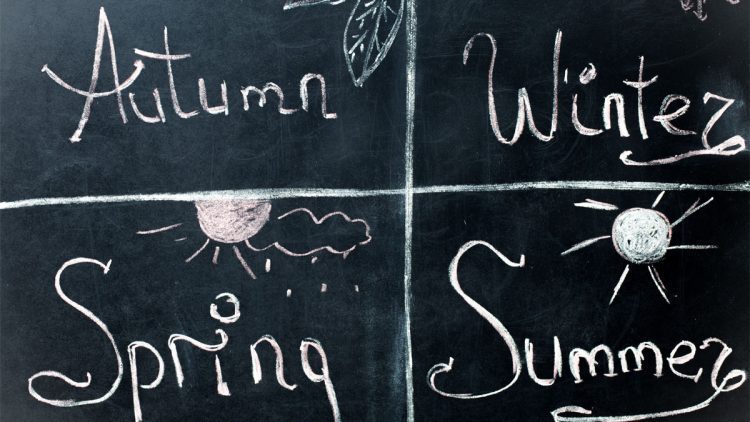
Overall, the ideal time to mulch is in springtime following a light rainfall. Mulching during this season helps garden beds appear vibrant and hinders weed growth. For lawns, mulching them with a lawnmower is a good tactic.
Mulching in Spring
Avoid mulching too soon in spring, as the mulch is going to slow the warming of the ground. Wait until your spring bulbs have all surfaced to mulch. When you have trees that let go of a lot of litter in spring (like helicopter seeds or maples that let go of buds), then you may want to wait and mulch following that happening, so the litter doesn’t drop on your fresh mulch.
Because one function of mulch is to preserve moisture, just following a light rainfall is deemed a perfect time to lay mulch provided that the ground is not completely drenched. Lightly spraying the surface of the mulch with water following you spreading it helps it set and remain in place.
Mulching in Summer
A lot of gardeners like to refresh their mulch in summer, for different reasons. There might be more weed growth than anticipated because of heavy rainfall. Some mulches could fade (from the sun) and adding a fresh layer can refresh its color. Additionally, in times of drought, a bit of additional mulch can help retain more moisture following watering.
Mulching in Autumn
Mulching in autumn is typically part of the garden routine as the season draws to a close in a lot of growing zones. Mulch can offer safeguarding from winter cold and dryness. For many shrubs, like hydrangeas or roses, a lightweight organic mulch (like pine straw) can be a better choice than heavier mulches like wood chips, as it is less probable to freeze in case of unreasonable moisture.
You can also utilize fallen leaves for an effective and practical winter mulch. Decaying leaves are going to also add nutrients to your soil and provide an area for early spring insects (comprising beneficial pollinators) to lay their eggs.
Mulching in Winter
Winter is a bit late for mulching in most areas. However, if it appears like your shrubs could use some added protection from harsh weather or the temperatures are about to get a lot colder than usual, a bit of additional mulch can help safeguard the root systems. Mulching in winter can also help safeguard your spring bulbs from animal that might dig them up.
When Not to Mulch
Don’t mulch just before major rainfall is on the forecast. Excessive rain might cause your mulch to run straight off your garden beds or away from the base around your trees. You additionally shouldn’t mulch prior to a very windy day.
After your mulch has been laid down for a period of time subject on weight and amount, it is going to be less susceptible to being shifted by the elements.
Landscape Mulch Phoenix by A&A Materials, Inc.
A & A Materials, Inc., located in Scottsdale, Arizona, offers landscaping materials for your landscaping needs. Call us at 480-990-0557 for more information.