
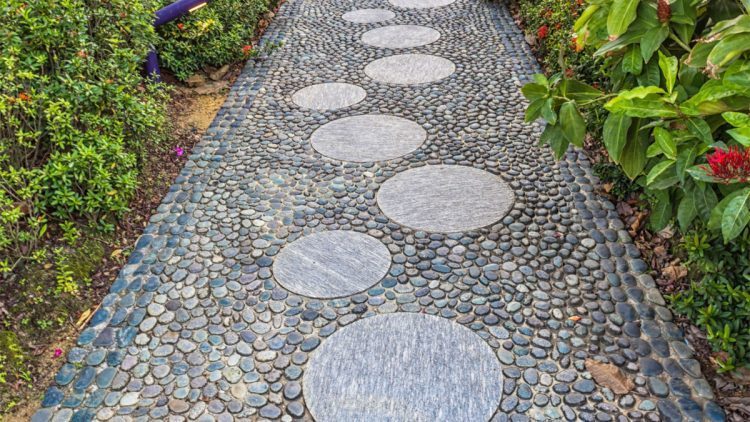
Building a Stone Walkway
Written by webtechs

Building a Stone Walkway

Stone and garden walkways add an unrefined allure to any landscape, including those with a cottage-like garden design. Whereas many stone walkways utilize mortar, which requires a base and a little rock work knowledge, a stone walkway is simpler and perfect for DIY setup. This method entails placing stones on a base of sand, guaranteeing stability and simplicity of leveling. After set, fill in the gaps with gravel, sand, or durable plants to complete your walkway.

Choose Your Stone

Choosing stones for a walkway is mostly a matter of preference, as any rounded stones will suffice. A lot of walkways are created with flagstone, defining the shape of stone instead of a particular type of rock. It’s typically best to choose the type that is available locally, as this is going to keep the cost down, both for the rock and its delivery. A lot of flagstone that is 2 to 3 inches thick is perfect for walkways.

Lay Out Your Walkway

Lay out the path of the walkway, using wooden stakes and string (for straight walkways) or two garden hoses (for curving walkways). If the walkway is going to be used for frequent traffic, like a walkway between a driveway and an entryway, be sure it is wide enough for two people to pass by each other with ease. A small garden walkway or those leading to hidden retreat in your landscape can be sized for one individual. Lay out strings or hoses on each side of the walkway.

Excavate the Path

Use a sod cutter or garden spade for cutting along the path marked by your strings or hoses. Take out all grass and their roots, then dig downward around 5 inches for a smooth base to build off of. Compact the soil firmly with a compacter or simply by repeatedly walking over the walkway.

Install Edging (optional)

Install edging materials along both sides of the path, if you choose, adhering to the manufacturer’s guidelines. You can use a lot of different kinds of edging, like galvanized steel, synthetic brick, or pressure-treated wood. If you don’t use edging, the grass or soil edges along the path is going to help keep your stones in place.

Apply Landscaping Fabric

Lay landscaping fabric over the ground along the whole path. Try using a continuous piece as much as you can. If you need to use several pieces, overlap their edges with at least a foot. Trim the landscaping fabric along the sides of your walkway using a utility knife and secure the fabric to the ground with landscaping fabric staples.

Add a Sand Layer

Pour two inches of sand over the landscaping fabric. Smooth the sand out so it is even and level, using a 2×4 board that is a little smaller than the width of your walkway.

Lay Out the Stones

Lay out your walkway stones to the left or right side of your walkway so all of them are able to be seen. The notion is to see the shape and size of each stone so you can select and choose the ideal fit as you lay out your walkway.

Install the Stones

Start by placing stones onto the sand base of the walkway, adjusting them together as you wish. Leave small gaps between the stones if you are going to fill the gaps with gravel or sand; leave wider gaps (around 2 inches) if you are going to plant between the stones. Placing each stone so it is steady (without “seesawing”) and is level with the nearby stones. Utilize a carpenter’s level leveling each stone and level across to other stones as you work down your walkway. Make adjustments to the sand underneath each stone for perfect leveling. Use differing shapes and sizes for a natural appearance.

Fill the Gaps

Add sand or gravel for filling in the gaps between the stones, as you wish. Spread the sand using a brush, spray your walkway down with water to settle the sand, then fill the gaps once more, repeating until they are filled. If you’re going to plant in the walkway, fill the gaps in the stones with a garden soil mixture, then add “stepable” plants, like creeping thyme, stonecrop, or blue star creeper.

Landscaping Materials Phoenix by A&A Materials, Inc.

A & A Materials, Inc., located in Scottsdale, Arizona, offers Landscaping Materials for your landscaping needs. Call us at 480-990-0557 for more information.
Landscaping Boulders
Written by webtechs

Landscaping Boulders

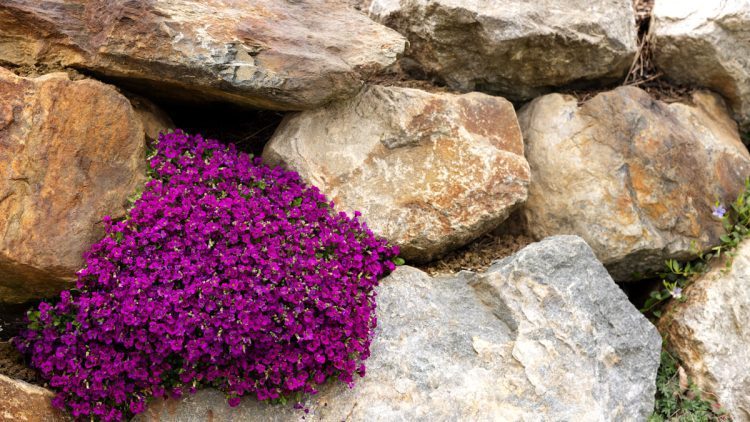
Soft details such as flowers, grasses, and shrubbery all get plenty of attention when you’re landscaping a yard; however, don’t undervalue the power of rock. Adding larger stones that act as a focal point to loose gravel that replaces conventional grass, rocks have the ability to entirely transform and enhance your outdoor space.

Combine Pavers and Gravel

Pavers and gravel harmonize with one another beautifully, lending some nice visual contrast while at the same time filling in gaps. Some harmonious, contemporary front yard designs have a series of long slab pavers leading up to the entryway. Engulfed by gravel in a comparable hue, keeping the design looking simply and streamlined.

Outline Your Garden Edge

A front yard garden bed isn’t finished until its surroundings have an edge, and rocks are a perfect way to accomplish that. Somes designs have flat rocks placed over one another; however, median-sized river rock or a variance of rugged rocks can also keep an area contained.

This technique works great for xeriscape landscapes, which uses more rock on the interior, or for a conventional garden bed used with mulch.

Install Boulders for a Dramatic Feel

Using rocks for landscaping goes further than just gravel—try out medium and large boulders to instantly add drama to your front landscape. These can act as dramatic focal points, adding texture, height differences, and color—they can additionally help anchor plant groupings or outline walkways.

Create a Steppingstone Path

For a walking path that feels natural and that’s built to last, stop your searching, rocks and steppingstones are your answer. In some designs the unevenness of the flat stones infuses earth-like allure and aesthetic appeal into the area, while at the same time blending naturally into your landscape.

Experiment by surrounding them with gravel to additionally define the walkway and lean into the natural, easy-to-care for feel.

Build a Rock Wall

Brick is beautiful to say the least, but there’s something to say about the rugged appeal of mismatched rocks that instantly enhances front yards. Consider a short wall, which utilizes rocks as a larger retaining wall, or dream high by building a complete stone fence.

Landscaping Materials Phoenix by A&A Materials, Inc.

A & A Materials, Inc., located in Scottsdale, Arizona, offers Landscaping Materials for your landscaping needs. Call us at 480-990-0557 for more information.
How Smooth River Rock Can Enhance Your Arizona Garden
Written by webtechs

How Smooth River Rock Can Enhance Your Arizona Garden

People in Arizona like to use smooth river rock in their landscaping because it looks natural, lasts a long time, and can be used in many different ways. In a place where the weather is really hot, there isn’t much rain, and the soil is hard to work with, picking the correct ground cover can make a big difference in how it looks and how well it works. Smooth river rock is a good choice for many Arizona gardens since it looks well and works well. Read on to learn more.

What Is Smooth River Rock?

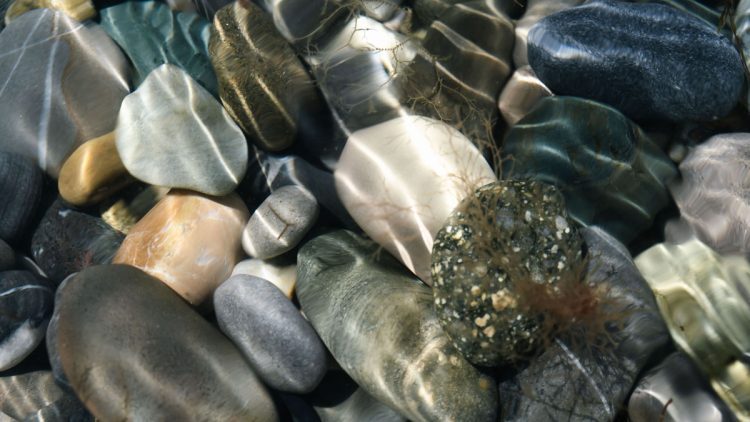
Smooth river rock is made up of stones that have been sculpted over time by flowing water. River rock comes in a range of sizes and natural earth tones, and its surface is smooth and polished. This is different from crushed gravel, which has jagged edges.

Benefits of Heat and Durability

Arizona landscapes have to deal with very high and low temperatures and a lot of sun. Unlike organic materials, smooth river rock doesn’t break down, fade, or degrade. All stone absorbs heat, but smooth river rock lets air flow between the stones, which helps keep heat from building up as much as solid surfaces do. It can be part of a good desert landscaping plan if you utilize it carefully, especially around plants that don’t need a lot of water.

Saving Water and Getting Rid of It

One of the best things about smooth river rock is that it helps with water management. This is why river rock is so helpful in dry creek beds, swales, and places where stormwater needs to be managed. River rock also helps keep water from evaporating by covering exposed soil. When placed in the right parts of the garden, this can cut down on the need for irrigation.

Arizona Gardens: Design Flexibility

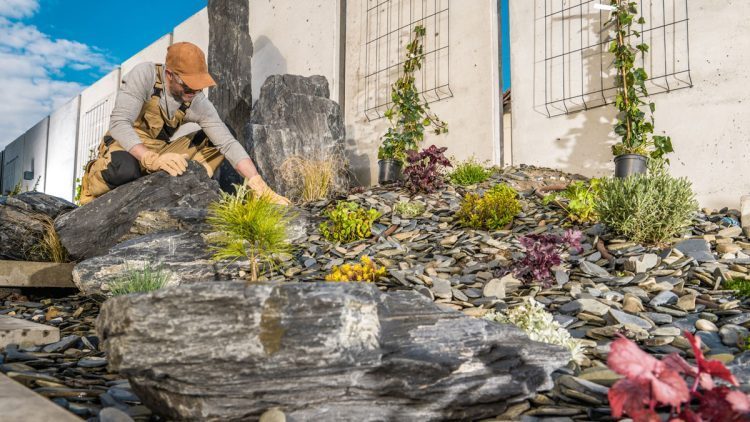
In many different types of landscapes, smooth river rock looks great. People sometimes use it to make paths, borders for gardens, accent areas, and around trees or shrubs. Its natural colors go well with desert plants, succulents, and native plants, making the whole thing look balanced and put together. River rock is also great for decorative things like water features, Zen gardens, and dry riverbeds that seem like natural desert washes.

A Comparison of River Rock and Mulch

Smooth river rock does not contribute nutrients to the soil like organic mulch does. Because of this, it works best in places where improving the soil is not the main purpose. Compost mulch might be a preferable choice for plants that need more organic matter.

River rock, on the other hand, lasts a long time and stays clean. It doesn’t blow away, attract bugs, or need to be replaced often. When put over a good weed barrier, it can greatly cut down on weed growth and the need for continuous maintenance.

A Good Choice for Desert Landscapes

Smooth river rock makes Arizona gardens better by adding natural beauty and durable performance. It can be utilized as a beautiful accent or a practical ground cover. It helps with water-efficient gardening and fits well with the desert environment. Call or email us today, we would be happy to help you!

Landscaping Materials Phoenix by A&A Materials, Inc.

A & A Materials, Inc., located in Scottsdale, Arizona, offers Landscaping Materials for your landscaping needs. Call us at 480-990-0557 for more information.

Cleaning Landscape Rocks
Written by webtechs

Cleaning Landscape Rocks

When you have decorative landscape rocks in your yard or garden, you know that their aesthetic enhances your outdoor areas’ overall appearance and feel. Nevertheless, as with anything vulnerable to the elements, landscape rocks can collect dirt, debris, and possibly algae, diminishing their aesthetic appeal.

Routine cleaning helps keep landscape rocks looking fresh and also makes them last longer. Through this post, it is going to provide helpful tips on cleaning your landscape rock, so you can keep your outdoor areas looking as fantastic as the day they were installed. You are never going to need to wonder how to clean your landscape rocks again!

Tools & Materials Required

Prior to you start cleaning any landscape rock, collect these required tools and materials to make the task easier and more effective:

Required tools:

  • Water hose with adjustable nozzle
  • Stiff-bristled brush or broom
  • Soft-bristled brush (for slight areas)
  • Water bucket
  • Protective gloves and eye protection
  • Garden rake or leaf blower
  • Old toothbrush or small brush (for fissures)

Cleaning supplies:

  • Mild dish soap and tap water
  • White vinegar and water (one-part white vinegar, per one-part water for environmentally friendly ways for cleaning landscape rocks)
  • Baking soda paste (for relentless stains)
  • Hydrogen peroxide (as a whitening agent)
  • Bleach solution (use carefully: one part bleach to ten parts water)

How to Clean Landscape Rocks

When discovering the ways to clean soiled landscape rocks, the following are the best routines to follow:

  1. Removal of loose dirt and debris: Using a broom, brush, or rake for the removal of any loose dirt or debris from the rocks surface. You can also utilize a leaf blower for blowing away leaves or any other small remains.
  2. Rinse off the rocks: Using a water hose when cleaning landscape rocks, carefully rinse off the rocks. Start at the top and work your way downward so that the debris flows away from the clean surfaces.
  3. Scrub the rocks: For tougher stains or algae growth, utilize a stiff-bristled brush or pressure washer for cleaning the rocks. Be careful when using a pressure washer to help from damaging the rocks. Utilizing gloves and eye protection when using a pressure washer is vital.
  4. Clean fissures and difficult to access areas: Use a small soft-bristled brush or an old toothbrush to clean the fissures and difficult to access areas of the larger landscape rocks. You can use warm water and a diluted vinegar solution for a deep clean of these areas.
  5. Rinse the rocks again: After you scrub them, rinse them with a water hose to remove any dirt or cleaning solution left over.
  6. Let the rocks air-dry: Should you have the time, let the rocks air-dry. Should you need to use the area(s) quickly, utilize a leaf blower or a dry cloth for the removal of any moisture remaining.

The Advantages of Maintaining Decorative Landscape Rocks

  • Provides your outdoor area with an attractive appearance: Keeping your landscape rocks clean, free of debris, and properly maintained gives an aesthetic value that enriches your outdoor area, which makes it more attractive and appealing.
  • Prevents intrusive weeds: Cleaning landscape rock effectively decreases weed growth in your yard or garden. This is going to save you time and effort because you won’t have to pull weeds as often.
  • Drainage improvement: Landscape rocks play a vital part in your drainage; however, debris and dirt could clog the rocks and hinder drainage. Cleaning landscape rocks is going to guarantee proper drainage and stop water from building up in undesired areas.
  • Increases the lifespan of your landscaping: Cleaning your landscape rocks routinely can help prolong its lifespan, which is going to save you money on expensive repairs or replacements.
  • Increases property value: Well-kept landscape features can increase your home’s curb appeal and market value by up to 5 to 12%.

Maintaining Rock Landscaping

In regard to how to maintain landscape rocks, one important factor is keeping leaves, weeds, and debris away from your garden area. Not only can these undesired items make your garden look untidy, but they can also attract pests and jeopardize the health of your plants.

Landscaping Materials Phoenix by A&A Materials, Inc.

A & A Materials, Inc., located in Scottsdale, Arizona, offers Landscaping Materials for your landscaping needs. Call us at 480-990-0557 for more information.