
Does Mulch Lose Its Effectiveness In Arizona Summers?
Arizona summers are tough on everything in a yard. Plants get stressed, soil dries fast, and bare ground can feel like a griddle by midafternoon. So it is fair to ask whether mulch still does its job once temperatures start pushing into the serious summer range.
The good news is yes, mulch absolutely still works in Arizona heat. In fact, summer is when it often matters most. What does change is that mulch can thin out, fade, shift, break down, or get compacted over time. That means it may need refreshing to keep giving your landscape the protection you expect.
What Mulch Actually Does In Extreme Heat
Mulch is not just there to make a yard look finished, although it certainly helps with curb appeal. Its main job is to cover and protect the soil.
In Arizona, that protection is a big deal. A good mulch layer helps reduce evaporation, moderate soil temperature, limit weeds, and protect plant roots from harsh surface conditions. Without mulch, the sun hits the soil directly. Because moisture disappears faster, roots are under more stress, and plants may need to be watered more often, they may need to be watered more often just to stay comfortable.
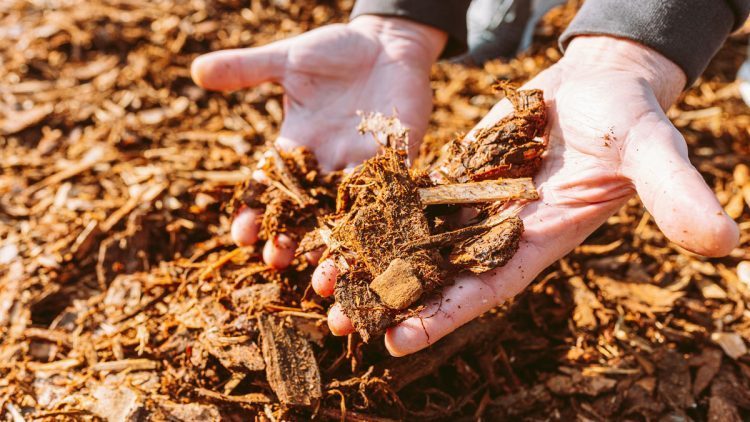
Wood chips or bark are examples of organic mulch that can improve soil over time as they break down.
So, Does Mulch Wear Out Faster In Arizona?
Yes, it can. Arizona’s heat, sun, wind, monsoon storms, and watering cycles can all change mulch.
Organic mulch naturally breaks down. In summer, that process can speed up, especially in areas that receive regular watering. Mulch may also get blown around, washed out of beds, or pressed down until it no longer has enough depth to insulate the soil properly.
Rock mulch and decomposed granite last longer visually, but they behave differently. They do not break down like wood mulch, but they can absorb and radiate heat. In some places, that might make the area around the plants hotter, especially if the rock is in direct sunlight all day.
How To Tell When Mulch Needs Refreshing
A quick look is usually enough. If you can see bare soil, the mulch is too thin. If the color has faded badly, the bed looks patchy, or weeds are popping through more often, it may be time to add more material.
For trees and shrubs, a mulch depth of about 3 to 4 inches is often recommended. Keep mulch a few inches away from trunks and stems. Piling mulch against a trunk can trap moisture where it does not belong and may create plant health problems.
Choosing The Right Mulch For Arizona Landscapes
The right choice depends on the look you want and the plants you are protecting. Wood mulch is often a smart option around trees, shrubs, and planting beds where soil cooling and moisture retention matter. Rock, gravel, and decomposed granite can work well in low maintenance desert designs, pathways, and areas where long term durability is the priority.
Many Arizona yards use a mix. Organic mulch may be best near plants that benefit from cooler soil, while decorative rock can help define open areas and keep the landscape tidy.
Keep Your Landscape Protected This Summer
Mulch does not stop working just because Arizona gets hot. It simply needs the right material, the right depth, and occasional refreshing. A well mulched yard can look cleaner, hold moisture better, and give plants a fighting chance through the hottest months of the year.
For quality landscape materials, mulch, rock, sand, soil, and gravel products in Arizona, contact A&A Materials today. Their team can help you choose the right material for your yard, garden, or outdoor project.
References
University of Arizona Cooperative Extension, Mulches
University of Arizona Cooperative Extension, Mulching Materials, Applications, And Performance
Arboriculture & Urban Forestry, Effect Of Landscape Mulches On Desert Landscape Microclimates
Landscaping Materials Phoenix by A&A Materials, Inc.
A & A Materials, Inc., located in Scottsdale, Arizona, offers Landscaping Materials for your landscaping needs. Call us at 480-990-0557 for more information.