Mulch vs Wood Chips
Written by webtechs

Mulch vs Wood Chips

Mulch and wood chips offer overlay applications in the universe of gardening and landscaping. Gardeners utilize the organic and in-organic materials for the growing of plant species for the nutrition and safeguarding of garden specimens, among others. Although the definitions and applications of the two overlap each other, mulch and wood chips establish different things in the universe of gardening and landscaping. Far from gardening terminology, the definitions of wood chips and mulch greatly differ.

Mulch

Technically, mulch embodies any material situated on the surface of soil surrounding plants. Commonly organic, mulch decreases water evaporation, balances soil moisture, keeps weed populations down, manages soil temperature in intense conditions, manages and prevents erosion and prevents the compaction of soil. Materials used as mulch vary significantly and includes both organic and in-organic materials. Organic mulches boost microorganism activity in soil, which benefits soil quality and reduces compaction.

Types of Mulch

A plethora types of mulch are available. Organic types of mulch comprise of grass clippings, hay or straw, bark and needles from pine trees, various leaves, moldy leaves, shredded hardwood materials, compost, shells from pecans, coffee grounds and wood chips. Any organic waste from yards can serve this purpose. If you think about it, ground covering plants like ivy and periwinkle also makes up types of organic mulch. In-organic mulches comprise of gravel and/or crushed stone, pebbles, plastic sheets, rubber, man-made pine needles and landscape and/or woven ground cloth. As a variety of organic mulch, wood chips represent one of the many alternatives available for gardeners or landscapers seeking mulch types. The nature of the wood chip mulch makes it ideal for creating paths through the garden or yard in addition to offering a mulching material.

Woodchips as Mulch

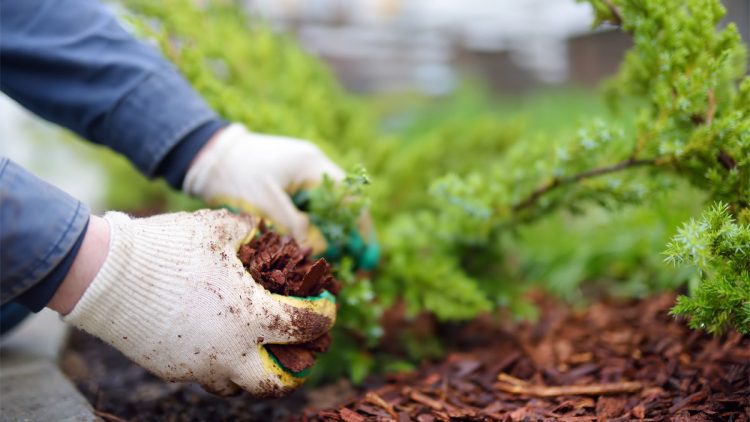
Different types of mulch offer various benefits and drawbacks in the landscape or garden. Wood chip mulch, which comprises of small pieces of ground up bark or wood, proves especially beneficial with trees, smaller fruiting species, shrubs, and perennials. It heightens survival percentages in smaller trees and helps hinder damage to such plants in areas that have heavy rainfall seasons. The recommendation is applying two to four inches of wood chip mulch in a diameter of three to six feet around the base of a tree or plant. The larger the tree or plant, the wider and deeper the area of wood chip mulch will be needed. The right amount needed is also subject to the size of the chips in the mulch.

Further Details

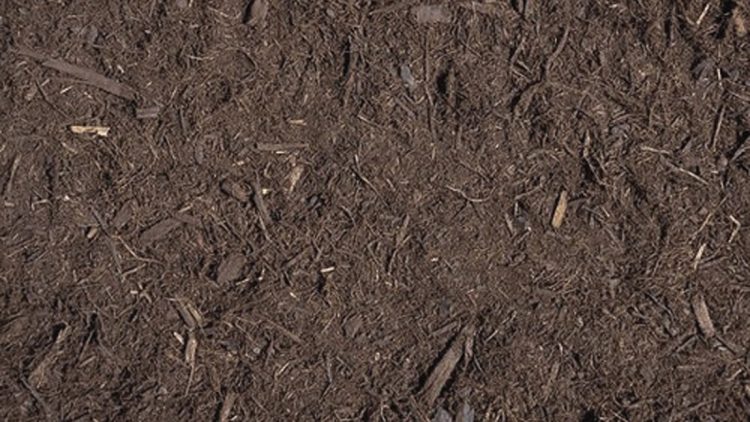
While they include one of the many kinds of organic mulch, the simplest explanation of wood chips specifies them as the by-product of wood chipping, or the breaking down of bark and wood. Wood chips offer different uses, including organic mulch and bio-fuel materials for burning.

Wood chip mulch can be hazardous to garden or landscape plants if not used correctly. If left outdoors in large piles for long periods of time, wood chips decline from the lack of circulating oxygen, resulting in the creation of acids and other harsh composites. When placed in gardens or in landscaping, specifically in warmer weather, these chips could discharge harmful vapors that can damage and even decimate plants. When your mulch is “sour,” spread it out prior to adding it to your garden or landscape.

Source:

  1. Difference Between Mulch & Wood Chips. (n.d.). Retrieved September 18, 2020, from https://www.hunker.com/13404724/difference-between-mulch-wood-chips

Landscaping Materials Scottsdale, Arizona

A & A Materials, Inc., located in Scottsdale, Arizona, offers mulch and wood chips for your landscaping or gardening needs. Contact us or call us at 480-990-0557 for more information.

How Much Mulch Do I Need
Written by Brian B

How Much Mulch Do I Need?

It’s a question every individual eyeing a landscaping project has asked at one time or another: how much mulch do I need? It is certainly a simple question, but the answer is not so easy. There are many factors one must take into account before heading to a local supplier for mulch.

Mulch Uses

Mulch is a material composed of leaves, bark and/or compost used to cover soil. The purpose of using mulch isn’t just to make your yard more aesthetically pleasing. Mulch serves many purposes, including overall improvement of the environment. In your yard alone, mulch will be responsible for conserving moisture, reducing weed growth and improving organic matter within the soil. Ideally, mulch should be laid in the spring or fall seasons.

The spring time is perfect for helping break down organic materials, especially since springtime generally brings an abundance of rain. These materials will penetrate your soil, giving your garden a fresh, brown look for the months to come. Laying mulch in the fall has an opposite but beneficial effect, as well. The mulch will help insulate your garden for the upcoming harsh winter months. Either time is recommended for laying mulch, especially for private homeowners.

Where To Mulch

Mulch can be utilized seemingly everywhere on private or public property. From veggie gardens to perennial plants, there is no limit to how much mulch you can choose to use. Mulch can also be utilized as protection for tree trucks from numerous manual machines used for landscaping. Simply put, any place that you would like to lay mulch on your property is a good spot.

Mulch Calculator

This is the tricky part for most individuals. Measuring and/or calculating your exact mulching needs can be a tad confusing. It is recommended that your mulch have a depth of two-four inches, which should prevent weed growth as well as absorb nutrients for the soil bed below. But, keeping the mulch height to no more than four inches is essential – you never want an excess of mulch in your beds. Too much mulch equals a lack of air supply for plant roots.

Finely textured mulch should stay under three inches in depth, while coarse textures can reach up to four inches in depth. The first thing you must do when figuring out how much mulch is needed is to figure out the square footage of your bed. From there, multiply the width by the length for rectangular or square beds. Multiply the radius by itself, then multiply your total by 3.14 for round beds. Remember that mulch is sold by cubic yard, which is an inch deep for a 324-square-foot area.

Luckily enough, exact calculations for your specific mulch needs is available right here. This tool can help you figure out how much mulch you need for your bed type.

A & A Materials, Inc., located in Scottsdale, Arizona, offers native compost for your landscaping needs. Call us at 480-990-0557 for more information.

1 2