
Rip Rap For Scottsdale Drainage Problems Before Monsoon Season
Written by webtechs

Rip Rap For Scottsdale Drainage Problems Before Monsoon Season

The first storm does not always look like much from inside the house. Then the water starts cutting a little channel along the side yard. Gravel moves toward the sidewalk. Soil disappears near the wall. By the next morning, there is a small washout where the landscape used to look settled.

That is the kind of problem rip rap is made for.

Why Ordinary Decorative Rock May Not Hold

Decorative rock is excellent for many Arizona yards. It gives a clean desert look, covers bare soil, and reduces the need for thirsty turf. But drainage areas are different. If water moves through fast enough, smaller rock can shift, scatter, or wash out of place.

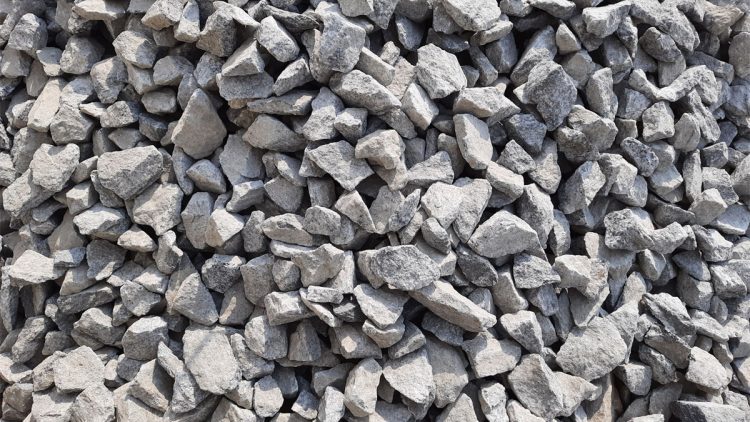
Rip rap is larger, heavier, and rougher. It is commonly used where water needs to be slowed down, spread out, or guided through an area without stripping away soil. In Scottsdale landscapes, that might mean a side yard, a drainage channel, a slope, a driveway edge, a culvert area, or a low spot where stormwater keeps taking the same path.

June is a smart time to look at these areas. Once monsoon storms begin, small weak points can grow quickly.

Where Rip Rap Makes Sense Around A Property

Start by walking the yard after irrigation runs or after a light rain. Look for bare soil, exposed roots, moved gravel, muddy streaks, or places where water has carved a clear path. Those signs usually matter more than a guess made on a dry afternoon.

Rip rap can be useful along swales, drainage outlets, slope bases, and spots where roof runoff or hardscape runoff is concentrated. It can also help around larger desert landscape features where you want the material to look natural but still perform a job.

The size and color should match the purpose. A larger rip rap may be better for a stronger flow area, while a more decorative rip rap can help tie the drainage correction into the rest of the yard. A&A Materials lists several rip rap options, including colors such as Madison Gold, Palomino Gold, Saddleback Brown, Table Mesa Brown, Yavapai Coral, and Charcoal.

Do The Practical Thinking First

Before buying material, think about the direction of the water. Rock should not simply hide the problem. It should help the area handle runoff better. In some cases, the ground may need reshaping first. In others, a rock layer may need enough depth and width to stay put.

It also helps to consider nearby surfaces. If water is pushing rock onto a sidewalk, driveway, neighbor’s property, or street, the material choice and placement become more important. A neater drainage fix can protect the yard and reduce cleanup after each storm.

A&A Materials in Scottsdale supplies rip rap, decorative rock, river rock, sand, dirt, mulch, and construction materials for Arizona landscape projects. Call or visit the yard before monsoon season if you have a washout, drainage channel, or slope that needs heavier rock. The right material can make the next storm a lot less irritating.

References:

https://aamaterialsinc.com/rip-rap.shtml

https://aamaterialsinc.com/material.shtml

https://www.scottsdaleaz.gov/stormwater

https://www.maricopa.gov/5557/Monsoon

https://azrockexpress.com/

Landscaping Materials Scottsdale, Arizona

A & A Materials, Inc., located in Scottsdale, Arizona, offers, rip rap rock, mulch and wood chips for your landscaping or gardening needs. Contact us or call us at 480-990-0557 for more information.

Rip Rap For Scottsdale Drainage Problems Before Monsoon Season
Written by webtechs

What is Track Out Rock?

What is Track-Out Rock? 🚜🛑

Track-out rock (also known as construction entrance rock, tire wash rock, or stabilization rock) is a type of coarse, angular rock used at construction site entrances and exits to prevent mud, dirt, and debris from being tracked onto public roads. Track-out rock is a type of coarse, angular stone, typically ranging from 3 to 6 inches in size, used to stabilize construction site entrances and exits. Its primary purpose is to minimize the amount of sediment, such as dirt and mud, being tracked out from the construction site by vehicles. The angular shape of track-out rock helps remove debris from vehicle tires, reducing sediment transport onto public roads. It’s commonly placed in a controlled exit area about 50 feet long, 10 feet wide, and 6 to 12 inches thick. Maintenance includes using a loader to scarify the sediment-laden rock to “fluff” it up.

🔹 Key Features of Track-Out Rock

Large, Angular Rocks – Typically 3” to 6” in diameter to remove debris from tires.
High Durability – Made from crushed granite, basalt, or limestone to withstand heavy vehicle traffic.
Excellent Drainage – Prevents water pooling and reduces mud buildup.
Regulation Compliance – Helps meet EPA and local environmental codes for construction sites.

📍 Where is Track-Out Rock Used?

Construction Site Entrances & Exits – Keeps public roads clean.
Driveways & Access Roads – Prevents vehicles from carrying mud onto paved surfaces.
Quarries & Industrial Yards – Reduces dust and debris in high-traffic areas.

📏 Track-Out Rock Installation Guidelines

  • Layer Depth: 6” to 12” thick
  • Minimum Length: 50 feet (recommended for maximum effectiveness)
  • Geotextile Fabric Underneath: Prevents rock from sinking into the soil

Is Track-Out Rock Expensive? 💰

The cost of track-out rock varies based on location, supplier, rock size, and transportation fees. However, it is generally considered affordable compared to other construction materials.

💲 Track-Out Rock Price Breakdown

🔹 Average Cost in Phoenix, AZ

  • $35 – $80 per ton (bulk pricing)
  • $50 – $150 per cubic yard
  • Delivery Fees: $50 – $150+ depending on distance

🔹 Cost Factors


Rock Type: Crushed granite, basalt, or limestone can impact cost.
Size of Order: Bulk orders (10+ tons) often get lower per-ton pricing.
Supplier & Location: Local quarries tend to be cheaper than big retailers.
Delivery vs. Pickup: Hauling costs can increase total expenses.

📌 Ways to Save on Track-Out Rock

Buy in Bulk – The more you buy, the lower the per-ton price.
Pick Up Yourself – Avoid delivery fees if you have the right equipment.
Compare Suppliers – Prices vary, so check local quarries and landscape supply companies.

Landscaping Materials Scottsdale, Arizona

A & A Materials, Inc., located in Scottsdale, Arizona, offers, rip rap rock, mulch and wood chips for your landscaping or gardening needs. Contact us or call us at 480-990-0557 for more information.

Rip Rap For Scottsdale Drainage Problems Before Monsoon Season
Written by webtechs

What is Rip Rap?

Rip rap describes a variety of rocky material placed along shore-lines, foundations for bridges, steep inclines, and other shore-line structures to safeguard from erosion and scour. Rocks used vary from four inches to over two feet. The size of the rock required on a project is subject to the steepness of the incline and how quickly water is moving. Rip rap is a very enduring, natural-looking method. One disadvantage is the possibility for the rocky material to not be easily navigable by animals; filling the open areas between the rocks with soil or smaller rocks helps to tackle this issue.

Where is Rip Rap Used?

Rip rap is used where a shoreline or structure is continually exposed to fast-flowing water:

  • Close to bridges along causeways and adjoining supports in waterways.
  • Along lake shore-lines to restrict erosion related to wave action.
  • Along the outer banks of a river bend, depleting the force of the water towards the bank.

Erosion can jeopardize bridges, wash-out adjoining roadways, or cause property loss; impeding erosion helps keep people safe. At first look, rip rap might seem like a simple science for alleviating the force of water, but it requires a lot of assessment by engineers. Expense comes into the discussion early since rock can’t always be located locally, and transporting a large abundance of rock is costly, and neither is the rock itself. Establishing the beneficial size and amount of rock can restrict the expense related with the solution.

Advancements in Rip Rap

Water resources engineer Mr. Pete Lagasse performed research with the NCHRP of the Transportation Research Board that created standards for an erosion control method referred as “partially grouted” or matrix rip rap. Rather than relying on loose stone, and a lot of it, partially grouted rip rap integrates a cement-adhesive mixture, kind of like “gluing” the rocks to one another.

This tactic utilizes smaller-sized rocks, overlaid and “glued” at the worksite, ensuing in a rip rap answer that’s around 1/2 to 2/3’s the thickness of a common loose stone installation. This technique not only saves costs for clients, but it also has demonstrated its effectiveness as the partial grouting enables for higher hydromechanical stability without sacrificing penetrability.

Landscaping Materials Scottsdale, Arizona

A & A Materials, Inc., located in Scottsdale, Arizona, offers, rip rap rock, mulch and wood chips for your landscaping or gardening needs. Contact us or call us at 480-990-0557 for more information.