
Pea Gravel vs Crushed Rock for Arizona Paths
Written by webtechs

Pea Gravel vs Crushed Rock for Arizona Paths

Pea Gravel or Crushed Rock: Which Is Better for an Arizona Path?

A side yard path seems simple until the surface starts moving under every step. Small wheels sink, gravel escapes into planting beds, and the route from the gate to the trash containers becomes harder to use than expected.

Pea gravel and crushed rock both work in Arizona landscapes, but they do not behave the same way. The better choice depends on how the path will be used, how firm it needs to feel, and how much maintenance you are willing to do.

Pea Gravel Has a Softer, More Informal Look

Pea gravel consists of small, naturally rounded stones. A&A Materials lists 3/8 inch natural pea gravel among its smooth river rock options. Its shape gives a path a relaxed appearance that suits garden areas, courtyards, decorative borders, and spaces where the surface is meant to feel less rigid.

Rounded stones generally feel less sharp than angular material. They also remain loose. That movement is part of the character, but it becomes a drawback where a wheelbarrow, trash container, bicycle, or mobility aid needs a predictable surface.

Edging is especially important. Without a defined border, pea gravel gradually spreads into nearby soil, pavers, and planting beds. Occasional raking helps restore an even layer after traffic or heavy runoff.

Crushed Rock Creates a Firmer Surface

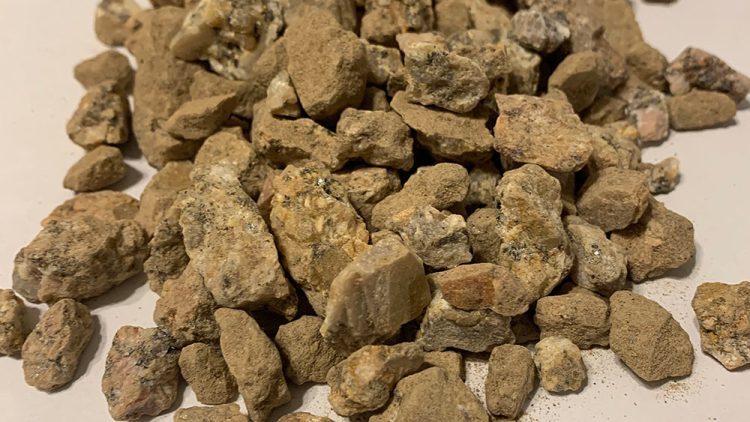
Crushed rock has angular edges. When placed over a properly prepared base and compacted, the pieces settle together more firmly than rounded gravel. A&A Materials carries crushed river rock in several sizes, including 1/4 inch chip rock, 1/2 inch crushed rock, and 3/4 inch crushed rock.

That makes crushed rock practical for utility paths, side yards, service areas, and routes that see repeated foot or wheel traffic. It is less likely to roll underfoot, although the finished result still depends on preparation, depth, edging, and compaction.

The tradeoff is texture. Angular material can feel rougher, particularly for bare feet or pets with sensitive paws. It also produces a more structured appearance than smooth pea gravel.

Think About What Travels Along the Path

A path used for an occasional walk to a garden bench has different needs from one used twice a week for large trash containers. Start with the heaviest and most awkward thing that will travel over it.

For a decorative garden route, pea gravel may provide exactly the look you want. For a narrow side passage used for bins, tools, or deliveries, crushed rock usually provides better stability. Near a pool, loose material that sticks to wet feet or scatters onto decking quickly becomes irritating, so placement and edging deserve extra thought.

Slope matters too. Rounded gravel moves more readily on an incline. Angular material with a well prepared base tends to stay more controlled, although a steep or drainage affected route may require a more complete solution than surface rock alone.

Prepare the Ground Before Spreading Either Material

Removing weeds and debris is only the beginning. The route should be graded so water does not sit against the home or cut through the path during a storm. Soft spots need attention before rock is added because new material will not correct an unstable base.

Install firm edging at the planned width. Then place and compact the appropriate base where the intended use requires it. The decorative surface should finish below adjoining doors, gates, pavers, and irrigation components rather than burying them.

Do not simply keep adding rock when a path becomes uneven. Rake a test area first. The real problem may be a low spot, damaged edging, poor drainage, or material that was never compacted correctly.

Compare the Materials Before Ordering

The easiest way to decide is to see both products and explain how the path will be used. Bring measurements, photographs, and notes about gates, slopes, drainage, pets, and wheeled traffic. Those details are more useful than choosing by appearance alone.

A&A Materials supplies pea gravel, crushed river rock, decorative rock, sand, dirt, and construction materials from its Scottsdale yard. For help selecting and estimating material for an Arizona path or side yard, call A&A Materials at 480-990-0557.

Live References

A&A Materials, Material List
https://aamaterialsinc.com/material.shtml

A&A Materials, Smooth River Rock
https://aamaterialsinc.com/river-rock.shtml

A&A Materials, Crushed River Rock
https://aamaterialsinc.com/crushed-river-rock.shtml

A&A Materials, Landscape Rocks in Scottsdale
https://aamaterialsinc.com/landscape-rocks-in-scottsdale/

How to Choose Landscape Rock Colors for Scottsdale Homes
Written by webtechs

How to Choose Landscape Rock Colors for Scottsdale Homes

Choosing Landscape Rock Colors That Suit a Scottsdale Home

A fresh layer of decorative rock changes more than the ground. It alters how the stucco, roof, driveway, plants, and front door look together. That is why choosing landscape rock from a photograph often leads to disappointment once several tons arrive.

Scottsdale homes use exterior colors ranging from pale cream and warm beige to adobe, gray, terracotta, and brown. The best landscape rock does not need to match the house exactly. It should make the entire property look settled and intentional.

Begin With the Permanent Colors

Paint can change. A tile roof, stone veneer, block wall, driveway, and large patio are less likely to disappear during the next update. Start with those permanent surfaces when comparing rock colors.

A warm tan roof and cream stucco often work naturally with gold, brown, coral, or softly blended rock. Cooler gray walls and dark metal details can look stronger beside charcoal, muted brown, or river rock with mixed gray tones. Red rock creates a bold desert look, although it deserves care near pink, orange, or heavily red stucco because the colors can compete.

The goal is not to collect as many matching shades as possible. A yard usually looks cleaner when the rock either supports the home quietly or provides one controlled contrast.

Look at the Property in Morning and Afternoon Light

Arizona sunlight changes color dramatically. A rock that looks pale and neutral early in the day can appear much warmer under strong afternoon sun. Shade from the house, trees, walls, and covered patios also changes the effect.

Take photographs of the property at different times. Pay attention to areas where the new material will sit beside concrete, pavers, pool decking, or existing stone. A large open front yard gives the rock far more visual influence than a narrow planting bed.

Website photographs should be treated as a starting point. Natural stone varies, and every phone or monitor displays color differently. Seeing the material in person gives you a better chance of choosing well.

Decide Whether the Rock Should Blend or Stand Out

Many Scottsdale homeowners want the landscape to feel calm and established. Brown, tan, gold, and mixed neutral rock often achieves that effect, particularly when the house already has several exterior finishes.

Other properties benefit from contrast. A simple modern home with pale stucco and black trim might carry a darker rock well. Green agaves, blue gray succulents, and flowering desert plants also appear more vivid against contrasting ground.

Think about the size of the area before making a dramatic choice. A strong red or dark charcoal accent can look excellent in a defined bed. Across an entire front yard, the same color becomes a major part of the home’s appearance.

Use More Than One Material With Restraint

A second rock does not need to cover half the property. River rock in a dry creek bed, several boulders near an entry, or a contrasting border can add depth without making the yard look divided into samples.

Keep the relationship clear. One material should remain dominant, while the other performs a specific job. Repeating a boulder color near the driveway or using river rock to connect drainage areas gives the design a reason.

Size matters too. Larger rock creates stronger texture and suits broad desert beds. Smaller material often gives tight spaces and detailed planting areas a neater scale.

Bring a House Photo and an Existing Rock Sample

Before buying, bring photographs of the house, roof, hardscape, and planting areas. If you are extending or refreshing an existing landscape, bring a clean sample of the old rock. Dust and sun exposure can make older material look different from a fresh pile, so compare color, size, shape, and texture rather than relying on the name alone.

A&A Materials offers decorative rock in a broad selection of browns, golds, reds, pinks, and mixed tones. Visit the Scottsdale yard to compare materials in person and discuss the amount your project requires. For help choosing decorative landscape rock for your home, call A&A Materials at 480-990-0557.

Live References

A&A Materials, Material List
https://aamaterialsinc.com/material.shtml

A&A Materials, Decorative Rock
https://aamaterialsinc.com/decorative-rock.shtml

A&A Materials, Landscape Material Supplier Scottsdale
https://aamaterialsinc.com/

What are Wood Chips Used For
Written by webtechs

What Are Wood Chips Used For?

It might be unknown that a lot of trees that get removed wind up in landfills. One way to upcycle parts of these trees is to find a way to use these wood chips on your property. Utilizing wood chips as mulch is one alternative, but what other ways can you utilize them?

Why Use Wood Chips in Your Yard?

Wood chips are a simple and budget friendly way to add organics to your property. They are readily available as a result of tree removals or pruning, and they help manage temperatures and water levels around foliage.

As the wood chips decompose, nutrients get added to the topsoil, additionally benefiting the foliage growing nearby.

7 Ways For Using Wood Chips In Your Yard And Garden

  1. Use Wood Chips as Mulch

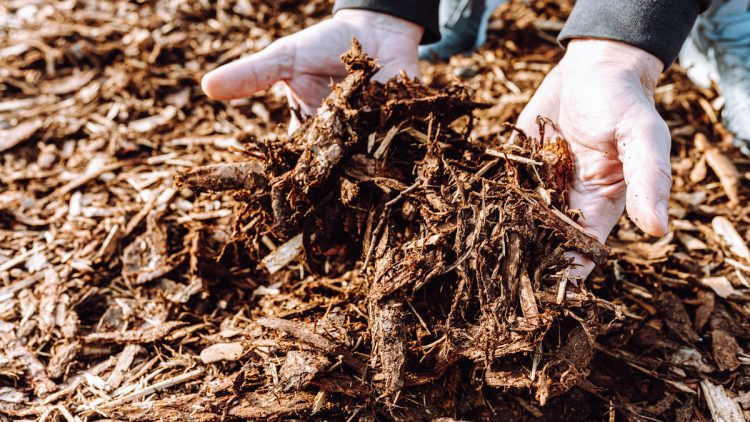
Mulch is one a favorable way to use wood chips since it provides so many benefits to your vegetation. Having your trees and shrubs mulched helps to manage topsoil temperature, hinders water from dissipating too fast, and adds nutrients to the topsoil as the chips decompose.

Below is how to correctly place the mulch:

  • Spread out the mulch in a layer no thicker than two to three inches
  • Guarantee no wood chips are touching the tree
  • Do not create mulch “pyramids” by piling it around your foliage
  1. Cushion the Ground in Playground Areas

Wood chips can be utilized around play areas for cushioning the ground. Compared with other playground “ground” materials, chips are the most useful at hindering injuries.

They can also stop the soil from turning too compacted too fast and can lessen the amount of mud that is produced during and after storms.

It is suggested to spread wood chips in play areas of at least a depth of nine inches. The wood chips are going to compact when they are exposed to weather and playground playing so it’s best to begin with a thicker layer.

If you use wood chips in play areas, remove any sharp twigs for preventing injuries.

  1. Add Them as Mulching to Your Garden, Vessel, or Large Pots

Like trees that benefit from wood mulch, as do other plants. The chips can also bring an appealing touch to your vessels and pots.

  1. If You Have Rain Gutters, Place Wood Chips Close to the Downspout

This can stop rainwater from eroding the ground in that area.

  1. Create a Wood Chip Walkway

You can place wood chips directly onto your ground and arrange them to form a walkway around your landscaping. This gives your yard a more landscaped appearance and establishes walking areas. When the wood chips are placed at a minimum of two inches thick, it should stop any weeds from growing.

Adding some edging or possibly rocks on the sides of the walkway to stop the chips from getting spread about due to wind, rain, or usage, is going to make it more established.

  1. Separate Seating and Eating Areas by Spreading Wood Chips

In the same way an area rug can bring together an indoor area, an outdoor area spread with wood chips can work in a similar manner.

An enclosure of wood chips that includes an Adirondack chair and a side table, for example, can become a breakfast nook. An outdoor eating set on an area having wood chips creates a plainly established eating place.

  1. Include Wood Chips on Your Compost Pile

Wood chips included in your compost pile are going to eventually decompose and add nutrients to the pile.

Landscaping Materials Scottsdale, Arizona

A & A Materials, Inc., located in Scottsdale, Arizona, offers, all purpose sand, aggregates, river rock, rip rap rock, mulch and wood chips for your landscaping or gardening needs. Contact us or call us at 480-990-0557 for more information.