
What Are River Rocks?
Written by webtechs

What is Leach Rock?

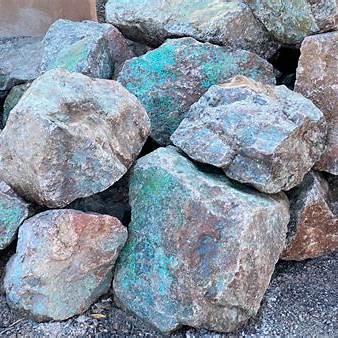
Leach rock, sometimes referred to as crushed river rock (57), is frequently used in trenches, septic tanks, driveways, and other locations where it is necessary to help manage mud and water. Any outdoor space can benefit from the distinctive and ornamental touch that this natural and adaptable landscaping material can bring. This rock’s uneven shape and rough texture make it ideal for driveways, walkways, and other landscaping projects that call for a more ornamental and organic appearance. Its combination of earthy, warm hues can go well with both modern and natural landscaping designs. This rock is a low-maintenance choice for your landscaping needs because it is strong and long-lasting.

This rock’s 57 size makes it simple to compact and ideal for laying a sturdy foundation for additional landscaping materials. Crushed River Rock (57) is a fantastic option that can give your project a distinctive and organic feel, whether you’re building a new outdoor area or improving an existing one.

Impact on the Beauty of the Landscape

There is no denying the visual appeal of river rocks in landscaping. In outdoor areas, the range of rock sizes adds a pleasing texture and dimension.

Pathways made of small river rocks can give gardens and outdoor spaces a rustic, natural feel. These rocks are comfortable to walk on due to their smooth, rounded surface, and their size permits easy installation and design flexibility.

River rocks of a moderate size can be used as accents or decorative borders in gardens. These rocks give the landscape structure and definition when they are positioned thoughtfully around trees or along flower beds. Additionally, because of their larger size, they are more noticeable, forming eye-catching focal points that improve the overall aesthetic appeal.

Furthermore, when used as natural steps or focal points in landscaping designs, larger river rocks create a striking impression. Beautiful water features, like tumbling waterfalls or ornamental ponds, can be made with these rocks. Because of their weight and size, they are perfect for building sturdy structures that endure the weather and give any outdoor area a sense of grandeur.

Homeowners and landscape professionals can create aesthetically pleasing and harmonious outdoor spaces that foster a connection with nature by knowing the various sizes of river rocks and how they contribute to landscape aesthetics. River rocks add a distinctive and organic element to landscaping designs, whether they are utilized as borders, walkways, or focal points.

Landscaping Materials Scottsdale, Arizona

A & A Materials, Inc., located in Scottsdale, Arizona, offers river rock, rip rap rock, mulch and wood chips for your landscaping or gardening needs. Contact us or call us at 480-990-0557 for more information.
Landscape Rocks in Scottsdale
Written by webtechs

Landscape Rocks in Scottsdale

Landscape rocks are natural or manufactured stones used in landscaping to enhance aesthetics, control erosion, and provide low-maintenance ground cover. They come in various sizes, colors, and textures to fit different design styles and functional needs.

🌿 Types of Landscape Rocks

🔹 Pea Gravel (1/4″ – 1/2″) – Small, rounded stones great for pathways, driveways, and drainage.
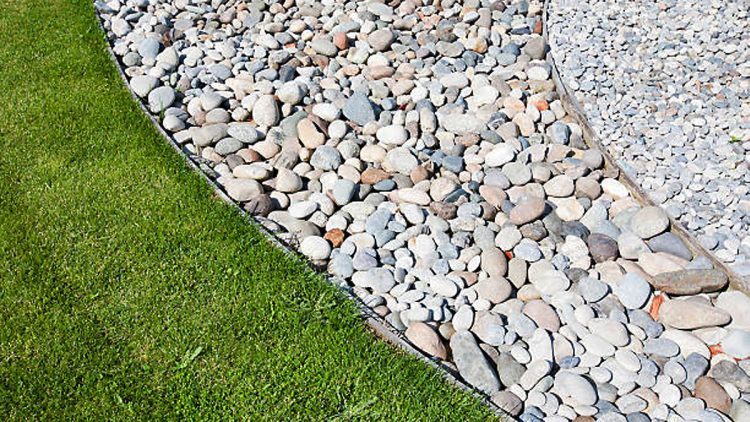
🔹 River Rock (1/2″ – 3″) – Smooth, multi-colored stones ideal for garden beds and water features.
🔹 Decomposed Granite (DG) – Crushed rock used for walkways, patios, and driveways.
🔹 Crushed Stone (1/2″ – 2″) – Angular rock for driveways, drainage, or decorative use.
🔹 Rip Rap (3″ – 12″) – Large rocks used for erosion control on slopes and drainage areas.
🔹 Boulders (12″+) – Large, decorative stones for accent features in landscaping.
🔹 Lava Rock – Lightweight, porous rock that retains heat, commonly used in desert landscapes.

🛠️ Benefits of Using Landscape Rocks

Low Maintenance – No watering, mowing, or trimming needed.
Erosion Control – Prevents soil erosion in heavy rains.
Improved Drainage – Helps water flow properly in landscapes.
Durability – Long-lasting and doesn’t degrade like mulch.
Weed Prevention – Acts as a barrier when paired with landscape fabric.

📍 Best Uses in Landscaping

  • Xeriscaping (low-water desert landscaping)
  • Garden bed borders & pathways
  • Dry river beds & drainage solutions
  • Accent features with boulders
  • Ground cover around trees & plants

in Scottsdale, AZ, the best landscape rocks should be heat-resistant, low-maintenance, and complement a desert-style landscape. Here are the top recommendations based on function and style:

🌵 Best Landscape Rocks for Scottsdale Yards

1️⃣ Decomposed Granite (DG) – Best for Walkways & Ground Cover

Pros:

  • Affordable and widely available in Phoenix.
  • Compacts well for walkways, patios, and driveways.
  • Allows water drainage while preventing dust.

Cons:

  • Can get hot under direct sun.
  • Needs occasional replenishing to maintain color.

🔹 Best Use: Driveways, pathways, and ground cover.

2️⃣ Pea Gravel (1/4” – 1/2”) – Best for Pathways & Drainage

Pros:

  • Small, smooth, and comfortable to walk on.
  • Excellent for drainage and decorative beds.
  • Comes in beige, brown, and gray tones that match Phoenix desert landscapes.

Cons:

  • Can shift easily, requiring edging or stabilizing.

🔹 Best Use: Pathways, patios, around plants, and as a top layer over soil.

3️⃣ River Rock (1” – 3”) – Best for Dry River Beds & Decorative Areas

Pros:

  • Smooth, polished look with a mix of browns, grays, and tans.
  • Great for dry river beds, drainage, and erosion control.
  • Long-lasting and doesn’t break down like DG.

Cons:

  • More expensive than DG and pea gravel.
  • Can trap heat and may need occasional repositioning.

🔹 Best Use: Dry river beds, decorative accents, and drainage areas.

4️⃣ Lava Rock – Best for Heat Reflection & Low-Maintenance

Pros:

  • Lightweight, porous, and great for desert landscapes.
  • Retains less heat than solid rock, making it good for plant beds.
  • Available in black, red, and brown colors.

Cons:

  • Sharp edges can make it uncomfortable for walking.
  • Tends to blow away in strong winds without a border.

🔹 Best Use: Ground cover around cacti, succulents, and desert plants.

5️⃣ Crushed Granite or Crushed Rock – Best for Driveways & High-Traffic Areas

Pros:

  • More stable than pea gravel, doesn’t shift easily.
  • Great for driveways and patios due to its compacting ability.
  • Matches the natural desert aesthetic.

Cons:

  • Can be rough on bare feet.
  • Needs occasional raking to maintain level.

🔹 Best Use: Driveways, pathways, and areas needing stable ground cover.

6️⃣ Boulders & Rip Rap – Best for Decorative Features & Erosion Control

Pros:

  • Adds a natural, rugged look to desert landscapes.
  • Helps with erosion control on slopes and water runoff areas.
  • Minimal maintenance needed.

Cons:

  • Expensive depending on size.
  • Heavy to install, may require professional placement.

🔹 Best Use: Accent pieces, retaining walls, or stabilizing slopes.

🔥 Phoenix Landscape Rock Buying & Installation Tips

Pick light-colored rocks (beige, tan, gray) to reduce heat absorption.
Use landscape fabric under rocks to prevent weeds.
Buy in bulk from local rock suppliers to save money.
Layer different rock sizes for a natural desert look.
Mix with drought-resistant plants (agave, cactus, yucca) for a true xeriscape design.

A&A Materials, Inc. specializes in decorative rock landscape materials in Scottsdale and surrounding areas, that make your property look its best year-round. Call us at 480-990-0557 with any questions or for more information.

Landscape - Soil
Written by Brian B

Landscaping Soil

Soil is needed for nearly every landscaping task there is. Whether it’s gardening upkeep, planting or simply surrounding an area, soil serves many purposes. But, for many new to the world of landscaping, soil can be a misunderstood term. Let’s explore soil, mulch and compost as we dig into your landscape visions.

Soil

So why is soil such a tricky word for many landscaping consumers? Basically because the term soil is so loose. Many view soil as dirt and vice versa. There are two major types of soil, which differ from typical dirt used in gardening. One type is garden soil, while the other common type is topsoil. Garden soil is used for the obvious reasons. This soil is turned with existing soil prior to any planting to improve overall soil quality.

Although it won’t differ much from natural garden soil, it is essential to use garden soil before any planting is performed. Topsoil is another soil that is easy to analyze. This layer goes on top with its calculated blend of rich nutrients that your soil desperately desires. Most layers of topsoil can be up to one foot deep.

Dirt

Dirt serves a variety of purposes, as well. Laying dirt is the very first step in any gardening process. From fill dirt to screened fill dirt, landscapers must value the process of planning by laying dirt before moving on. Fill dirt is found beneath the top layer of soil.

Composed solely of sand, clay and rocks, fill dirt does not contain any organic matter. Screened fill dirt will penetrate far deeper than typical fill dirt. This very fine dirt will help create a sturdy base for whatever the season may bring. Even heavy rainfall will pose very little threat to screened fill dirt.

Compost

Compost is comprised of decomposed plant and organic animal matter. Many people think this can be used as a replacement for topsoil. Instead, it should be mixed into the existing soil to improve the overall quality. Already rich with nutrients, compost can even make nutrients available for plants.

Mulch

Mulch, like soil, is another necessary component for any and all landscaping ventures. The many benefits from using mulch include insulation for the soil, limiting weed growth, reducing erosion and retaining moisture. Think of mulch as your soil’s protector, always by its side, assuring the best possible life. Mulch should be laid at one of two times during the year.

The first is during the spring months to absorb all water associated with the rainy season. The other time to lay mulch would be heading into the winter. Mulch is used as insulation for the upcoming colder months. Laying mulch is an exact science, so make sure to properly calculate the exact amount of mulch needed for your project.

A & A Materials, Inc., located in Scottsdale, Arizona, offers native compost for your landscaping needs. Call us at 480-990-0557 for more information.

What is Cinder Rock?
Written by Brian B

How To Landscape Using Mulch

Nothing could be simpler than laying mulch, right? Wrong. While it may seem as though all you have to do is grab a shovel and mulch away, there are some specific details that must be followed. Here is our best advice on how to landscape using mulch.

Purchasing Mulch

We’ll start with the easiest step first. Before heading to a local supplier, you must find out exactly how much mulch you need for your landscaping project. You don’t want to underestimate the amount needed, and overestimating will just result in an excess of mulch wasting away in storage. Figuring out the square footage of your bed is key, then you can easily decide how many bags or scoops of mulch you’ll need to buy.

Mulch Timing

How to lay down mulch can be a tricky question, but when to lay down mulch is much simpler. There are two times of the year that are suited best for this particular landscaping project. Spring is the ideal season to lay down mulch. This season provides a great amount of rain to help break down the organic materials found in mulch. These will then penetrate the soil and give your garden an aesthetically pleasing look heading into the spring. The fall season can prove beneficial for mulch as well. Laying mulch before the colder weather hits gives your plants an extra layer of insulation. No matter which season you choose to perform the mulching, make sure it follows a rainy period, so the newly laid mulch can help keep in the moisture.

How To Lay Mulch

Laying mulch can be performed in a simple, five-step process.

  • Clean your beds: Make sure to rake up leaves, sticks or any other debris before laying mulch.
  • Water the beds: If you decide to lay mulch after a particularly dry run of weather, then you should manually apply water to these beds. Mulch will be added to help seal in the moisture you just provided.
  • Weed removal: One of the biggest benefits of mulch is it stops weed growth dead in its tracks. Removing weeds ahead of laying mulch will only give you more of a head start.
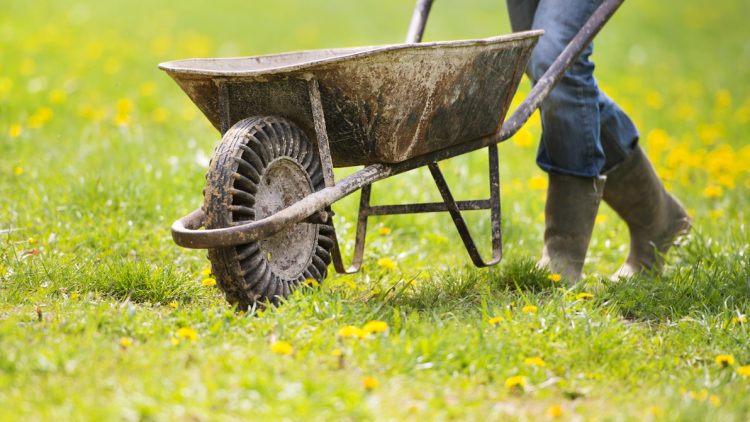
  • Spreading: Spreading the mulch by hand is the recommended process here. Shaking your mulch into little piles from a wheelbarrow can help you control portion size. You’ll know you’ve laid enough mulch when the spread is two to four inches thick. Spreading it too thin could cause weeds to grow right through your layer of mulch.
  • Water, again: Watering your bed should be the first and last step. One final watering will truly help your mulch flourish.

Tools

You now know how to lay the mulch and when to lay the mulch, but which tools should you use when performing this task?

  • Shovel: The shovel is essential for putting mulch into the wheelbarrow and removing it.
  • Wheelbarrow: Much needed for transportation of the mulch.
  • Pitchfork: The pitchfork could be used in addition or in spite of the shovel.
  • Rake: After laying the mulch, make sure to evenly rake it across your bed.
  • Gloves: Gardening gloves are certainly recommended for this process. Remember, you will likely be laying the mulch by hand.

A & A Materials, Inc., located in Scottsdale, Arizona, offers native compost for your landscaping needs. Call us at 480-990-0557 for more information.

Front Yard Landscaping Ideas
Written by webtechs

Front Yard Landscaping Ideas

Increase value to your home by enhancing its curb appeal with engaging, functional front yard landscaping ideas. Choose traditional front yard landscaping like foundation boulders, add a more contemporary architectural look with specimen plants, or decide on a breezy cottage plan.

Walkway Front Yard Landscaping Ideas

Rework your front walkway into an appealing statement by edging it in simple-care plants like succulents or other drought tolerant plants. Make even more magic by adding a slight curve in the path, imparting your walkway with a soft, mellow appearance.

Beautify a Slope

Grassy inclines can be challenging to maintain, so a front yard landscaping concept for a hill-like one, is to turn it into a stylish presentation of flowers and foliage. Keep it easy to maintain by covering the incline with appealing plants. The plantings progressing to the house make it look distinguished.

Let Nature be Your Guide

Welcome nature’s intuition in your front yard merely by following its lead. Choosing plants and other landscape materials native to your area. The butterflies and birds your front yard attract are going to captivate you and your guests.

Blend Nature and Art

Blend natural and man-made elements to give your yard a traditional, comfortable appearance. For instance, place boulders near your path and use groundcovers like mulch or wood chips. Flowering shrubs, like azaleas, rhododendrons, and Pieris, tone down the look of the boulders.

Create a Fork

Provide your guests with an enticement to walk through your garden by dividing your path. In this way, more areas of your landscape are accessible for examination.

Entice the Olfactory Senses with Aromatic Plants

In terms of your front yard landscaping schedule, strive to make things useful in addition to pretty. Maybe line your front walkway with aromatic flowers and plants. Gardenia, magnolia, or rosemary are all perfect options that are going to have your family, friends, neighbors and even delivery drivers captivated by their inviting aromatics.

Skip the Lush Green Lawn

Lucious grass is delightful, but it usually takes a lot of money, time, and water for maintaining. While it’s not suggested that you allow your lawn to dry out, if you’re over the notion of spending your days off mowing, think about utilizing a rock-based ground cover, such as gravel or landscape rock, rather than grass for an artistic take on landscaping varieties.

Utilize Containers in Your Landscape Design

Containers are usually an after-thought, but they do not need to be. You may consider placing potted flowers and plants on your front balcony or porch, but you can also utilize them in other locations, too. Think about placing them in your lower beds or along a path as a way of creating unusual and appealing borders.

Make it No-Mow

When you are looking for some low-cost yard landscaping ideas, think about decreasing your grass or installing man-made turf. No grass means you aren’t going to have to store a mower and it is going to save you hours of mowing. Not only is man-made turf easily maintained, but it is also going look great all year long. Focus on native and drought tolerant plants and you are going to be set!

Integrate A Water-Efficient Water Feature

Water preservation is a pervasive idea in desert landscape design, but that doesn’t mean you can’t have a water feature at all on your property. Water features entice wildlife and make delightful focal points. Nevertheless, for some Arizona front yards, choices are restricted to smaller, more water-saving kinds. Fountains, pond-less water falls and birdbaths belong in this classification.

Landscaping Materials Scottsdale, Arizona

A & A Materials, Inc., located in Scottsdale, Arizona, offers, all purpose sand, aggregates, river rock, rip rap rock, mulch and wood chips for your landscaping or gardening needs. Contact us or call us at 480-990-0557 for more information.
Landscaper Tips and Tricks
Written by webtechs

14 Secret Landscaper Tips and Tricks

These techniques and tools are utilized by professional landscapers to breeze through yard and garden duties. “Appropriate” their techniques and make more effectual use of your gardening time and more importantly, your money.

Purchase a Tarp

Utilize a tarp for moving lightweight hefty material such as leaves, weeds, and even some types of brush. Use it for retaining soil when digging holes, and for keeping your grass clean when doing so. You can cover plants in the back of your truck when coming back from the home improvement store or nursery.

Strategically Use Weed Fabrics

Landscape fabric is ideally useful under pebbles, gravel, or mulch pathways to keep the material from submerging into the soil. Disregard the fabrics in planted places. It only offers a brief sense of satisfaction until the weeds begin to grow in the mulch on the top of the fabric.

Use Starter Fertilizer

Apply starter fertilizer when planting anything. These fertilizers can provide a considerable increase to newer plantings. The best fertilizers are low in nitrogen, have a little more phosphorous, and above all, mycorrhizae-beneficial fungi that helps to greatly increase the soil area from which plant roots draw their minerals. An excellent starter fertilizer coupled with good planting methods is a wonderful safety net.

Choose Sensibly Between Bulk and Bagged

Choose sensibly between bulk and bagged soil, mulch, and stone. Purchase bulk materials when it can be dumped on the area where it is going to be spread. Purchase bagged material if it is required to be moved again following delivery. All of these tactics are going to save time, labor and money.

Garden Tools

Only purchase good quality garden tools. The best quality might be a little too expense, and a needless cost for weekend do it yourselfers. Low-cost tools can potentially break in the middle of the first job. Save money and time by purchasing good quality garden tools at affordable prices.

Integrate Annuals

Integrate your annuals in beds or pots at high-visibility areas in your landscaping for maximum effect. It would be very expensive for planting new annual colors during the entire landscape each season. Use these high-impact, long-bloomers in key areas such as your entryway, mailbox, and patio containers.

Make Mowing Fast and Easy

Group plants into islands and beds and mulch them properly to avoid mowing and trimming around each single plant.

Keep Your Leaves

Don’t send your leaves to the rubbish site. Mow small amounts into your lawn to provide a small dose of fertilizer for the grass and nourishment for earthworms. Utilize a leaf shredding blower/vac or bagging mower for grinding up fall leaves for use as mulch or add them to your compost pile. Cultivate them into your gardens prior to planting winter cover crops.

Recycle Your Grass Clippings

Use a mulching mower rather than bagging and dumping your grass clippings. This is going to cut fertilizer requirements by up to thirty percent.

Test Your Soil

Have your lawn and garden soils tested by your local Extension Service. Assuming your fertility requirements can lead to pricy mistakes. Soil test outcomes are going to show the current conditions and what needs to be applied for your sort of lawn, flower gardens, vegetable harvests, etc.

Work From a Plan

Create a blueprint for your landscape but work in steps. Keep your budget in check and get the maximum impact by concentrating on smaller projects that are part of the bigger picture. When one project is finished, go to the next.

Purchase Enough the First Time

To determine how much mulch or soil to purchase, you need to know how to calculate square footage of the area, and how to convert cubic feet of the material for coverage of an area at particular depth. Make less trips to the garden center by buying the correct amounts of mulch and soil initially.

Purchase Enough Plants

Don’t deplete your variety of choices. Purchase more flowers and plants than you think you will need… you can always return leftovers or find a place to use them. Should you run short and must go back to the nursery, your color(s) might be gone.

Landscaping Materials Scottsdale, Arizona

A & A Materials, Inc., located in Scottsdale, Arizona, offers, all purpose sand, aggregates, river rock, rip rap rock, mulch and wood chips for your landscaping or gardening needs. Contact us or call us at 480-990-0557 for more information.
What is Fill Dirt?
Written by webtechs

What is Fill Dirt?

Fill dirt is a kind of soil that is utilized to “filling” in holes, low areas, or other spaces that are required to be leveled or raised. It is typically made up of a combination of sands, clays, and other materials, and is usually compacted to provide a fixed base for construction jobs or other intentions. Fill dirt is usually not deemed to be appropriate for growing plants, because it is devoid of the required nutrients and organic matter to support the growth of plants.

This dirt is frequently used in construction and landscaping jobs for providing a stable base for buildings, roadways, and other such structures. It is also typically used to fill in low-lying areas or to produce a level surface for construction. In many cases, fill dirt could be used to build up the elevation of an area, like in the case of a retaining wall or to produce a slope for draining purposes.

Besides its use in landscaping and construction, this dirt can also be used in other kinds of projects. For instance, it may be used to fill in holes or gaps in lawns or yards, to produce a level area for a pergola or driveway, or to increase the elevation of a garden beds. Fill dirt can also be utilized for backfilling around a building’s foundation for providing additional stability and support.

When choosing fill dirt for a project, it is important to select a product that is correct for the intended purpose. Some fill dirt might be specifically designed for particular applications, like filling in holes or leveling surfaces, whereas others might be more general-purpose. It is also vital to think about the composition of the fill dirt, as this can impact on its suitability for various projects. For instance, fill dirt that has a high clay material might be more suitable for use in space with high moisture, whereas sandy fill dirt might be better for drainage intentions.

The Benefits Of Using Fill Dirt In Construction And Landscaping

One of the primary benefits of using fill dirt in construction and landscaping projects is that it is somewhat inexpensive in comparison to other kinds of soil. Since fill dirt is taken from the ground, it can be acquired for a fraction of the cost of purchasing topsoil or other kinds of soil from a plant nursery or landscape supply outlet. Making it an appealing option for those who are working on a limited budget.

Another benefit of using fill dirt is that it is easily worked with. Fill dirt is usually loose and easily spread, making it simple to use in various different landscaping and construction projects. This saves time and effort in comparison to other kinds of soil that might be more challenging to spread or shape.

Fill dirt is additionally highly versatile and can be used in various different ways. Through landscaping, fill dirt can be utilized for filling in low areas or to raise the elevation of a worksite. This can be useful for creating level surfaces for a garden or lawn, or for creating the base for a retaining wall or other structures. Through construction, fill dirt can be utilized for backfilling trenches or for creating a stable base for buildings or other structures.

As well as its practical uses, fill dirt can also be an environmentally friendly selection for construction and landscaping projects. Since it is taken from the ground, utilizing fill dirt can help to decrease the need for mining or other activities that puts a negative impact on the environment. Also, utilizing fill dirt can help to protect topsoil, which is an invaluable resource that is vital for healthy plant growth.

More Advantages And Benefits Of Using Fill Dirt

Fill dirt is a kind of soil that is usually used in landscaping and construction projects. Dissimilar to topsoil, which is the uppermost layer of soil and contains organic material, fill dirt is usually made up of subsoil that has been taken out of the ground throughout construction or mining. This kind of soil is usually used to fill in low-lying places, to level ground for buildings foundations, or as bases for paving jobs.

There are a lot of benefits to using fill dirt in construction and landscaping projects. First, it is an economic solution in comparison to other kinds of soil. Since it is made from subsoil, fill dirt usually does not have any organic material, meaning it is less likely to break down or compact after a while. Making it a perfect choice for filling in low-lying places or for use as bases for paving projects, as it is going to provide a stable foundation that is not going to shift or settle after a while.

Another benefit of working with fill dirt is that it is relatively easy to use. Dissimilar to topsoil, which can be compact and challenging to spread, on the other hand, fill dirt is loose and can be moved easily and spread using basic gardening tools. Making it a good choice for homeowner landscaping projects, in addition to larger construction projects in which a lot of fill dirt is required.

In addition to being affordable and easy to work with, fill dirt also has excellent drainage qualities. Since it is made up of subsoil, fill dirt usually has a lower clay material than topsoil, meaning it is not likely to become compacted or water-logged. Making it a good choice to use in areas in which drainage is an issue, like in low-lying areas or in places where heavy rainstorms are common.

Landscaping Materials Scottsdale, Arizona

A & A Materials, Inc., located in Scottsdale, Arizona, offers, all purpose sand, aggregates, river rock, rip rap rock, mulch and wood chips for your landscaping or gardening needs. Contact us or call us at 480-990-0557 for more information.
What Are River Rocks?
Written by webtechs

What is River Rock?

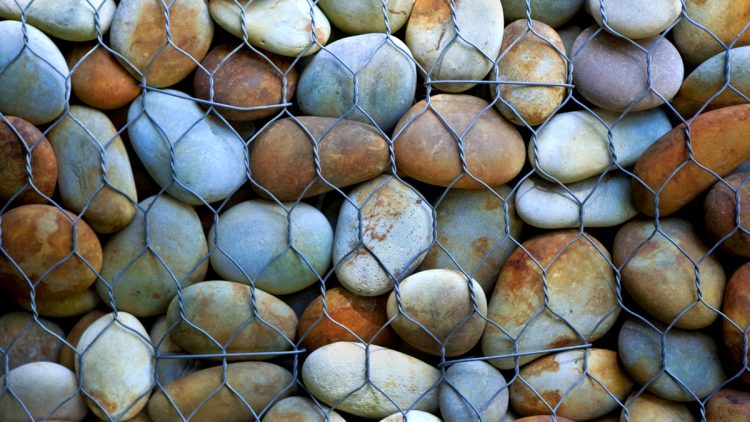
River rock, a dark type of rock acquired from stream beds, is a favorable stone product used for landscaping undertakings. It comes in a variety of sizes, shapes, and colors, making it a very useful landscaping material. It can be utilized for garden areas, hard-scapes, outdoor living areas, water features, leech beds, and other masonry features.

Furthermore, homeowners and contractors choose this kind of rock for its price, availability, and variety. If you want to enhance your landscape’s practicality and beauty without breaking the bank, then choose river rocks. But don’t just purchase from any supplier or big box home improvement stores. Find a supplier that can provide you with top-quality river rocks, for instance us at A&A Materials Inc.

River Rock Landscaping

Many homeowners are now preoccupied with the expense of maintaining landscapes and lawns. A largely green landscaped area is going to require routine irrigation, lawn maintenance, fertilizing, control of weeds, and other pricey maintenance tasks. This can totally be avoided if you are going to choose a more cost-effective landscaping technique or approach.

One favorable option today is river rock landscaping. This technique has many benefits that you are surely going to enjoy. It can help you save on your water bills, improve the appeal of your landscaped area, control water run-off, and lower your maintenance expenses. River rock is also a less costly option in comparison to other landscaping materials.

Gardens

River rocks can easily be integrated into your gardens. They can be used as a useful aesthetic, used as edging materials, applied around flowering shrubs, or for flower gardens, footpaths, and garden areas. You can also use various colors and sizes of river rocks to create contrasting or complementing designs in the garden.

Leech Beds and Septic Systems

We also sell river rocks for leech beds and septic systems. We have carefully chosen three quarters to one and a half inch leach river rocks. A lot of licensed professionals and contractors in the state prefer us due to the quality of stone products we offer.

Landscaping Materials Scottsdale, Arizona

A & A Materials, Inc., located in Scottsdale, Arizona, offers river rock, rip rap rock, mulch and wood chips for your landscaping or gardening needs. Contact us or call us at 480-990-0557 for more information.

Landscaping
Written by webtechs

10 Budget Friendly Landscaping Ideas

There is no need to spend all your hard-earned money on enhanced curb appeal. Beautiful landscapes might look expensive; however, an eye-catching yard can be affordable, too.

  1. Build A Walkway

Pavers or steppingstones make perfect inexpensive walkways. They catch the eyes to areas of your yard you want to display, and they invite your guests to do some exploring. A walkway also helps keep guests from walking on your grass and offers a sense of direction from one part of your yard to another.

  1. Save With Perennials

Plant perennials, that return with appealing color every growing season. This is going to save you money and gardening time since you won’t be purchasing and planting new plants each year.

  1. Scatter Some Mulch

Mulch is just what your yard needs to make your flower beds stand above the rest. It adds textured ground cover to your flower beds and aids in keeping out those bothersome weeds that keep stealing the spotlight.

  1. Plant Flowers Around Your Mailbox

When giving directions to your home, it would be a nice feeling to say, “Mine is the one with the pretty mailbox.” Nobody is going to be able to miss your front yard when surrounding your mailbox with a flower bed or a little trellis with self-climbers such as ivy or bougainvillea.

  1. Plant A Tree Sapling

To save a little of your hard-earned money, plant a small tree sapling and you might see your tree increase your home’s market price when it comes time for selling.

  1. Raise Your Garden Bed

Raised gardens keep bothersome weeds at bay, prevent soil compaction, offer superb drainage, and safeguard your plants from pests. Raised garden or vegetable beds also add an aesthetically appealing value to your garden(s).

  1. Reuse Items as Planters

Reuse that old water jug, bathtub, piano, or old bucket into a striking focal point full of plants. You are going to get an A+ in repurposing and probably have a one-off creation in your front yard.

  1. Landscape with Lighting

Outside string lights can convert your whole yard into a magical space after sunset.

Never had a meal outside due to it being too dark. By hanging luminescent string lights around your backyard’s dining area, you’ll have both an appealing evening landscape and a scrumptious meal.

  1. Hang Some Window Boxes

Are your front windows looking a little worn down? Hang some window boxes to add immediate charm and color to your front yard while at the same time covering up any weather. Window boxes are straightforward, appealing, and can be an appreciable DIY landscaping project.

  1. Use Edging for Adding Some Order

Should you want to landscape within a budget, often the best money-saving method is to enhance what you presently have.

Landscaping Materials Scottsdale, Arizona

A & A Materials, Inc., located in Scottsdale, Arizona, offers landscaping materials for your landscaping or gardening needs. Contact us or call us at 480-990-0557 for more information.
Xeriscaping
Written by webtechs

What is Xeriscaping?

Xeriscaping or zeroscaping is terminology that was invented by Denver Water in the early eighties. It stems from the Greek preface xero, meaning “dry”. As a result, xeriscaping refers to a kind of low-water landscaping that has few or no plants. The practice is associated with water-conserving landscaping methods, and to drought-resistant landscaping. With more and more area throughout the world encountering droughts, landscapes with a decreased need for irrigation are an interesting road to explore.

Theoretically, a xeriscaped landscape needs little to possibly no water outside the water that the natural environment provides. In drier areas of the western US, like Denver, water is already thought of to be a limited and often costly resource. People are encouraged to restrict the use of drinking water to nourishment instead of irrigation.

The method of xeriscaping has environmental and monetary benefits. It comprises of vegetation that is suitable for the climate and is going to flourish with little additional irrigation, making it drought-resistant. Typically, xeriscaping means replacing current grass lawns with mulch, soil, or rocks, and native plant specimens. These include items such as cacti and flowers such as daffodils. There are also classes of plants that have adapted to dry climates, alleged xerophytes.

Why Xeriscaping is Important!

Adjusting to this sustaining practice not only decreases the amount of water that goes to waste, but it can reduce your water bill. Properties that choose to xeriscape have been seen to save an estimated a hundred and twenty gallons of water a day. With the extra money, you can buy even more xeriscaping items!

Xeriscaping is a perfect way to care for the planet and your community’s general water supply. You can help by water conservation and create a flourishing landscape that is going to never be devoid of aesthetic beauty. It’s the best of the two worlds. You are helping the environment and at the same time creating a visually pleasing and easily maintained landscape!

Fast Key Facts

  • This kind of landscaping is a straightforward idea in reference to low-water landscaping, and the term was initially conceived in the early eighties.
  • At least forty states in the US might face freshwater insufficiencies by 2024.
  • Only around three percent of the Earth’s water is freshwater.
  • About thirty to sixty percent of all household water is used outside, mainly for irrigating lawns and gardens.
  • Xeriscaping can save around fifty percent of water used outside compared to traditional landscaping.
  • By decreasing water usage, xeriscaping saves money on monthly water bills.
  • This kind of landscaping can increase property values by up to fifteen percent.
  • This kind of landscaping costs around $5 per sq ft to $20 per sq ft but is going to save more money eventually as compared to traditional lawns.

Landscaping Materials Scottsdale, Arizona

A & A Materials, Inc., located in Scottsdale, Arizona, offers mulch and wood chips for your landscaping or gardening needs. Contact us or call us at 480-990-0557 for more information.

1 2 3